2022 Signatory Report Overview

Global Network of Women Peacebuilders

Organization HQ:

United States

Organization Type:

Civil Society Organization

Website Address:

Reported Information:

A.4.6
CSO: Establish and strengthen partnerships between international civil society organizations and national and local women’s organizations to strengthen capacity and eligibility to receive and manage donor funding, and address barriers to that funding.
B.2.10
CSO: Establish and strengthen partnerships with youth-led and young women-focused organizations and networks to embed their priorities in YPS and WPS advocacy.
B.2.11
CSO: Engage men and boys as allies and partners to support the work of women and girls on gender equality and human rights, without shifting support and resources away from women’s rights advocacy and development.
B.2.8
CSO: Advocate for the adoption of special measures to increase women’s participation in peace processes, and in implementation and monitoring mechanisms.
B.2.9
CSO: Promote the inclusion of gender-related provisions in all ceasefire and peace agreements, in humanitarian assistance and delivery plans.
B.4.5
CSO: Provide financial, technical and advisory support to women mediators and women peacebuilders involved in peace processes, and support women participants all levels and at all stages of these processes, including through systematic links between formal and informal peace processes.
B.4.6
CSO: Build feminist movements that harness women’s leadership from the ground up and include traditionally marginalized women, as well as smaller CSOs representing diverse geographical regions and marginalized groups.
D.1.4
CSO: Invest in inclusive sustainable approaches and equitable partnerships to increase the influence, visibility, and resource base of local women leaders - including young women - in humanitarian, political and peace processes and decision-making.
D.2.4
CSO: Design and implement campaigns that promote equitable progressive social norms, attitudes and behaviors towards women and girls, and inclusive leadership of women.
D.4.5
CSO: Commit to developing equitable and intergenerational partnerships, relationships between INGOs and grassroots organizations, and build partnerships with male advocates for women’s rights.
E.2.2
CSO: Promote existing research linking savings in expenditure on militarized state security to investments in economic and social development.
E.4.9
CSO: Recognize and engage men and boys as partners in addressing and reversing harmful gender norms.

Legend:

Report Summary

In 2022, the Global Network of Women Peacebuilders (GNWP) provided special¬ized training for 48 women mediators and civil society members in Armenia, Georgia and Moldova to strengthen their networks. In Cauca, Colombia, GNWP organized meetings with local authorities, women peacebuilders, United Nations representatives, and the Territorial Peace Council to discuss the implementation of the peace agreement, includ¬ing gender provisions, with the FARC-EP.In support of the inclusion of marginalized and underrepresented groups, GNWP convened refugee women and youth at the Bangladeshi-Southeast Asia Peace Exchange and the Thailand-Myanmar Peace Dialogue, providing them with a platform to present their priorities and recommendations to policymakers and interna¬tional CSOs. To promote the increasing the influence and resource base of local women’s organizations, in Ukraine GNWP collaborated with local women’s CSOs in Khersonska and Zaporhizhia oblasts to provide non-earmarked support for locally led humanitarian initia¬tives in response to the conflict. The International civil society Action Network (ICAN) and the GNWP both noted the publication of the paper, Fund Us Like You Want Us To Win: Feminist Solutions for More Impactful Financing for Peacebuilding in 2021, which documents the need to reverse the upward trajectory in military spending and instead direct it towards local women-led peacebuilding organizations.
During the reporting period, civil society Signatories focused on removing barriers to funding for youth-led organizations and young women peacebuilders. In 2022, GNWP and the Institute for War & Peace Reporting (IWPR) organized a regional conference in Tbilisi that included a fundraising workshop tailored to organizations serving women, youth and LGBTQI+ organizations in Armenia, Azerbaijan, Georgia and Moldova. In Asia, GNWP hosted two regional exchanges – the Bangladeshi-Southeast Asia Peace Exchange and the Thailand-Myanmar Peace Dialogue – to foster partnership and solidar¬ity on WPS and YPS. Refugee women and youth participated in these exchanges allowing them to present their needs and priorities to policymakers and international CSOs. In the DRC, GNWP and its Young Women Leaders for Peace Network joined the Ministry of Youth, Initiation to New Citizenship and National Cohesion to launch a YPS NAP. GNWP provided technical support throughout the drafting process and with its youth partners began a pilot for the localization of the YPS resolutions, ensuring their effective implementation.


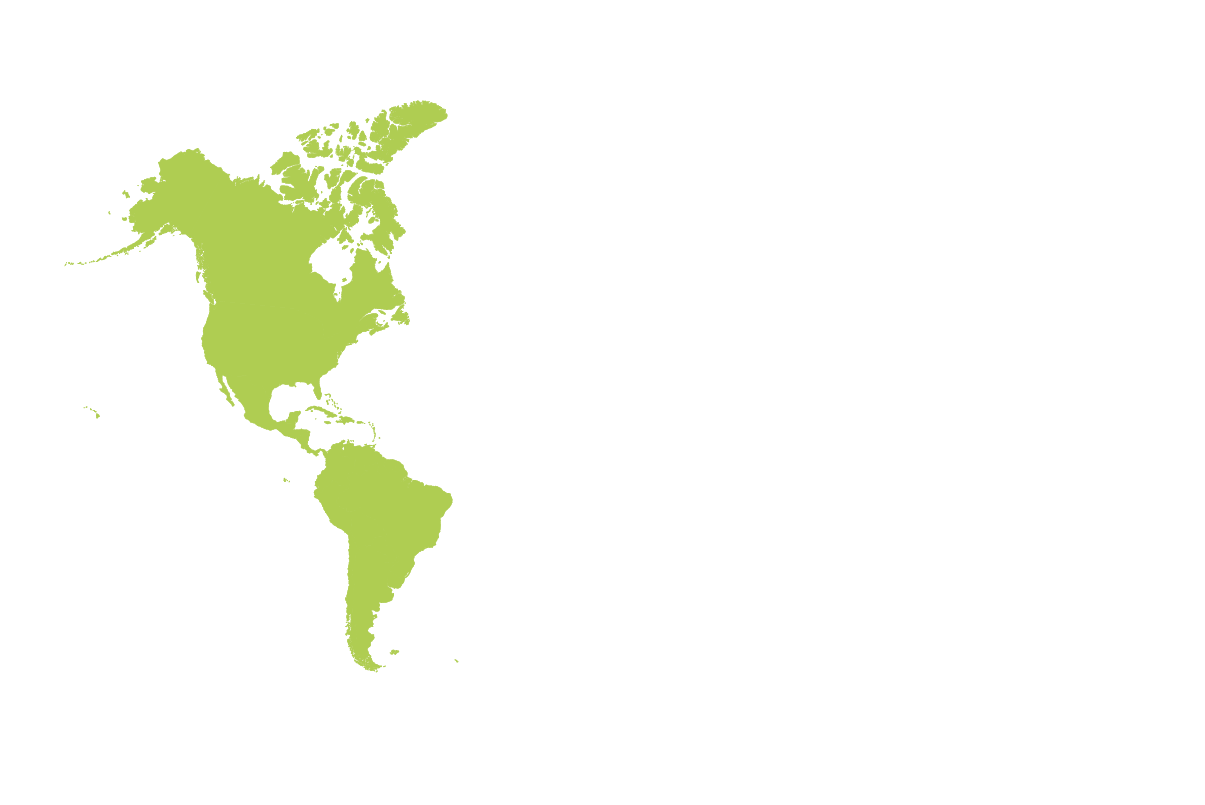
REGIONS OF implementation

World Map Background

Principles of Transformation

Icon - HDP Nexus
Humanitarian Development Peace Nexus
Met expectations
Icon - Intersectional
Intersectional
Exceeded expectations
Localized
Exceeded expectations
Icon - Intergenerational
Intergenerational
Met expectations
Icon - Resourced and Sustainable
Resourced and Sustainable
Met expectations
Icon - Inclusive and Multistakeholder
Inclusive and Multistakeholder
Met expectations

* As assessed by Signatory

A.4.6
CSO: Establish and strengthen partnerships between international civil society organizations and national and local women’s organizations to strengthen capacity and eligibility to receive and manage donor funding, and address barriers to that funding.
B.2.10
CSO: Establish and strengthen partnerships with youth-led and young women-focused organizations and networks to embed their priorities in YPS and WPS advocacy.
B.2.11
CSO: Engage men and boys as allies and partners to support the work of women and girls on gender equality and human rights, without shifting support and resources away from women’s rights advocacy and development.
B.2.8
CSO: Advocate for the adoption of special measures to increase women’s participation in peace processes, and in implementation and monitoring mechanisms.
B.2.9
CSO: Promote the inclusion of gender-related provisions in all ceasefire and peace agreements, in humanitarian assistance and delivery plans.
B.4.5
CSO: Provide financial, technical and advisory support to women mediators and women peacebuilders involved in peace processes, and support women participants all levels and at all stages of these processes, including through systematic links between formal and informal peace processes.
B.4.6
CSO: Build feminist movements that harness women’s leadership from the ground up and include traditionally marginalized women, as well as smaller CSOs representing diverse geographical regions and marginalized groups.
D.1.4
CSO: Invest in inclusive sustainable approaches and equitable partnerships to increase the influence, visibility, and resource base of local women leaders - including young women - in humanitarian, political and peace processes and decision-making.
D.2.4
CSO: Design and implement campaigns that promote equitable progressive social norms, attitudes and behaviors towards women and girls, and inclusive leadership of women.
D.4.5
CSO: Commit to developing equitable and intergenerational partnerships, relationships between INGOs and grassroots organizations, and build partnerships with male advocates for women’s rights.
E.2.2
CSO: Promote existing research linking savings in expenditure on militarized state security to investments in economic and social development.
E.4.9
CSO: Recognize and engage men and boys as partners in addressing and reversing harmful gender norms.