2022 Signatory Report Overview

Humanitarian Policy Group

Organization HQ:

United Kingdom

Organization Type:

Civil Society Organization

Reported Information:

B.2.9
CSO: Promote the inclusion of gender-related provisions in all ceasefire and peace agreements, in humanitarian assistance and delivery plans.
B.3.10
Acad: Support, undertake and/or fund research, including by local researchers, and develop policy recommendations on the impact of women’s meaningful participation and the inclusion of gender-related provisions and its links to peacebuilding effectiveness and sustainability.
C.4.7
Acad: Expand the evidence base on the effectiveness of and growth in women-led govern- ments, enterprises and businesses; linkages between women and extractive industries; and the intersectional gender dimensions of security risks.
D.4.4
CSO: Document and share knowledge, effective practices and lessons learned on women’s and young women’s leadership and contributions to peace and security, resilience and humanitarian/crisis response including through partnerships with media and academic institutions.
E.4.7
CSO: Collect evidence and engage in advocacy and litigation to hold duty bearers and individual perpetrators to account for women’s and girls’ rights violations, applying a survivor-centered approach.

Legend:

Report Summary

Humanitarian Policy Group (HPG) promotes gender-responsiveness across all areas of humanitarian response as well as advocates for greater political will and commitment towards making gender justice a cross-cutting priority. Key areas of work are research and advocacy. In 2022, Humanitarian Policy Group designed a new research project on mapping barriers to sexual and reproductive health and rights care for crisis-affected people in Lebanon, with an emphasis on marginalized women and girls, including those with disabilities and people with diverse SOGIESC. Another research project was done in partnership with Profamilia, in Venezuela. HPG’s research report on gendered norm change in Venezuela documented harms faced by women, girls and gender-diverse people during and after flight to Colombia. In 2022, Humanitarian Policy Group designed a new research project on mapping barriers to sexual and reproductive health and rights care for crisis-affected people in Lebanon, with an emphasis on marginalized women and girls, including those with disabilities and people with diverse SOGIESC. Another research project was done in partnership with Profamilia, in Venezuela. HPG’s research report on gendered norm change in Venezuela documented harms faced by women, girls and gender-diverse people during and after flight to Colombia.
HPG also undertook research on women-led humanitarian response during COVID-19. The published report offered recommendations on how the mainstream humanitarian sector can better recognize, support and collaborate with place-based humanitarian actors, including those led by women and people with disabilities, which are already active in crisis settings, but excluded from funding and decision-making. HPG also supported the work of the Feminist Humanitarian Network and its members by jointly hosting a co-created parallel event at CSW66 on women-led humanitarian response, allowing a diverse set of grassroots and place-based humanitarian actors to share their experience and knowledge.


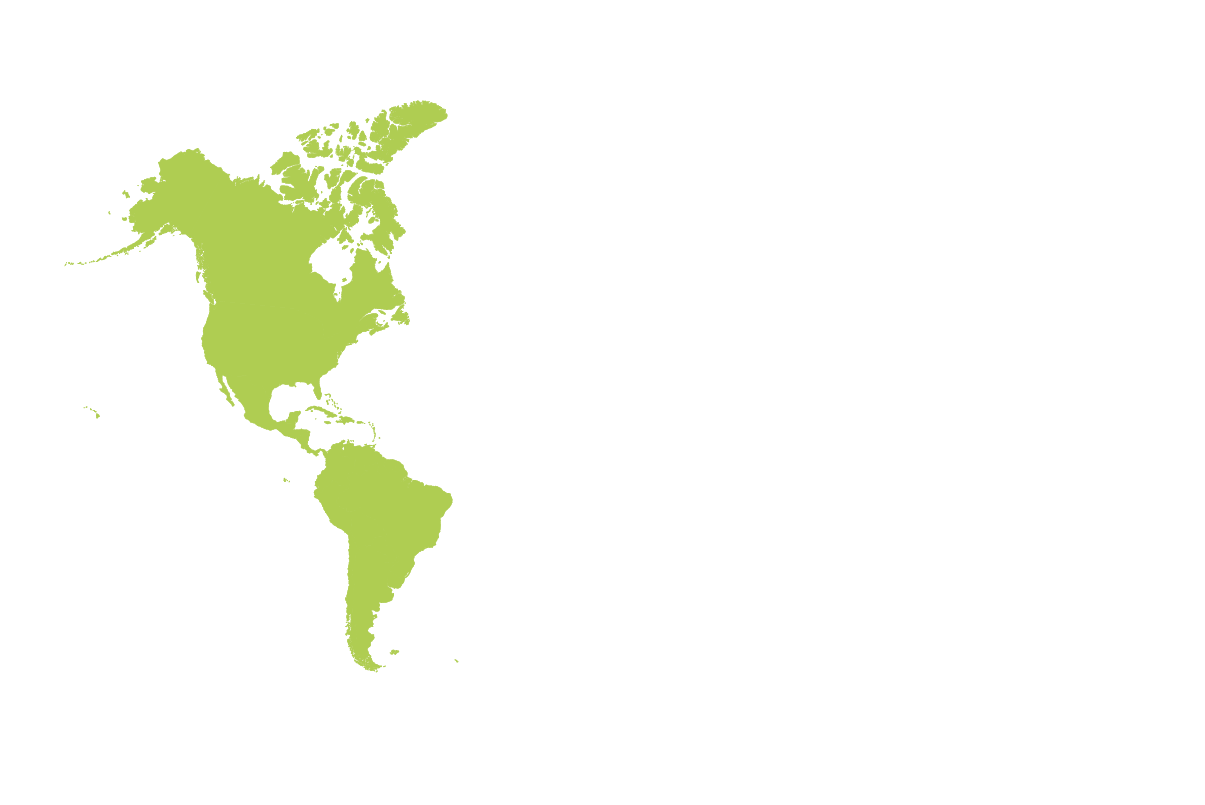
REGIONS OF implementation

World Map Background

Principles of Transformation

Icon - HDP Nexus
Humanitarian Development Peace Nexus
Exceeded expectations
Icon - Intersectional
Intersectional
Exceeded expectations
Localized
Exceeded expectations
Icon - Intergenerational
Intergenerational
Experienced limited expectations
Icon - Resourced and Sustainable
Resourced and Sustainable
Experienced limited expectations
Icon - Inclusive and Multistakeholder
Inclusive and Multistakeholder
Met expectations

* As assessed by Signatory

B.2.9
CSO: Promote the inclusion of gender-related provisions in all ceasefire and peace agreements, in humanitarian assistance and delivery plans.
B.3.10
Acad: Support, undertake and/or fund research, including by local researchers, and develop policy recommendations on the impact of women’s meaningful participation and the inclusion of gender-related provisions and its links to peacebuilding effectiveness and sustainability.
C.4.7
Acad: Expand the evidence base on the effectiveness of and growth in women-led govern- ments, enterprises and businesses; linkages between women and extractive industries; and the intersectional gender dimensions of security risks.
D.4.4
CSO: Document and share knowledge, effective practices and lessons learned on women’s and young women’s leadership and contributions to peace and security, resilience and humanitarian/crisis response including through partnerships with media and academic institutions.
E.4.7
CSO: Collect evidence and engage in advocacy and litigation to hold duty bearers and individual perpetrators to account for women’s and girls’ rights violations, applying a survivor-centered approach.